



What is Gum Bleeding?
Gum bleeding is the leakage of blood from the boundary where the teeth meet the gums, occurring either with a stimulus (touching, chewing, brushing, etc.) or without any stimulus. This bleeding most commonly occurs following inflammation of the gums and can be a precursor to periodontal diseases. Gum bleeding is a symptom that should be taken seriously and requires consultation with a periodontist (gum specialist). If periodontal intervention is necessary, starting treatment is crucial for slowing down or stopping the progression of the disease.
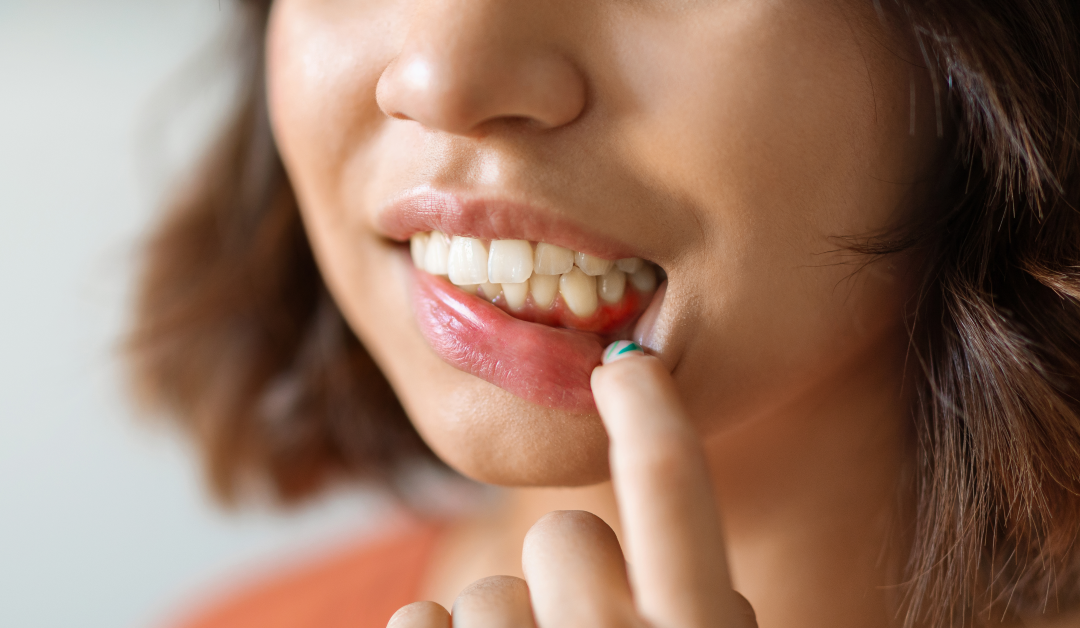
What Causes Gum Bleeding?
Although the gum appears to be a tough structure attached directly to the teeth and bones, it is actually a soft tissue. Various traumatic behaviors can cause gum bleeding (e.g. aggressive brushing, traumatic flossing, hard foods). Persistent bleeding lasting more than 7 days and occurring at every brushing is critical. Beyond dental causes, severe vitamin or platelet deficiencies can also lead to gum bleeding.
Main Causes
- Gingivitis: A superficial gum disease with bleeding, redness and localized heat. It is reversible.
- Periodontitis: When gingivitis progresses it can affect the bone; gums bleed easily and regular bleeding is a hallmark.
- Hormonal Changes: Pregnancy, puberty, menopause and menstruation increase the likelihood of gum bleeding. A periodontist examination with panoramic X-ray is recommended.
- Smoking: Bleeding may appear late because smoking reduces blood flow; by then it may be too late for early intervention.
- Diabetes: Gum bleeding is common in uncontrolled diabetes; gum inflammation can also worsen diabetic patients’ general health.
- Stress: Gum bleeding has been observed in stressed individuals without other dental causes.
- Leukemia: Low platelet count can lead to bleeding in many areas including the gums.
- Bleeding Disorders: Hemophilia or Von Willebrand Disease can cause gum bleeding; blood does not clot properly.
What Is Good for Gum Bleeding?
Rinsing with warm salt water or hydrogen peroxide may help. If the toothbrush is causing trauma, reduce it and apply a cold compress. For recurring bleeding, keep oral hygiene at an optimum level and consult a periodontist.
Oral Hygiene: The most common cause is lack of oral hygiene. Perform interdental cleaning daily and use the right toothbrush and interdental products with proper technique.
How is Gum Bleeding Treated?
Priority is to ensure oral care is correct and regular. Other treatments may be needed depending on the cause. Common methods: dental scaling, scaling and curettage (root surface leveling – Initial Periodontal Therapy), antibiotic-supported treatments, and home oral hygiene advice.
Is Gum Bleeding Normal During Brushing?
No. In healthy gums there is no bleeding when brushing or eating. Continuous bleeding suggests gingivitis; schedule an appointment with a periodontist for a panoramic X-ray examination.
Frequently Asked Questions About Gum Bleeding
You should consult a periodontist. In some cases the cause may vary, but your first point of contact should be a periodontist.
Stop any trauma from the toothbrush and apply a cold compress to the bleeding area.
Yes. Platelet deficiency makes bleeding more likely and harder to stop.
There is no specific bleeding pattern unique to leukemia patients.
Vitamin C and K deficiencies have been linked to more frequent gum bleeding. Vitamin C–rich: Orange, Mandarin, Red Pepper, Broccoli. Vitamin K–rich: Spinach, Lettuce, Olive Oil, Cabbage.